The Death of the Web3 KOL: Why Growth Engineering Is Replacing the Shill



Something quietly died in Web3 marketing on February 18, 2026.
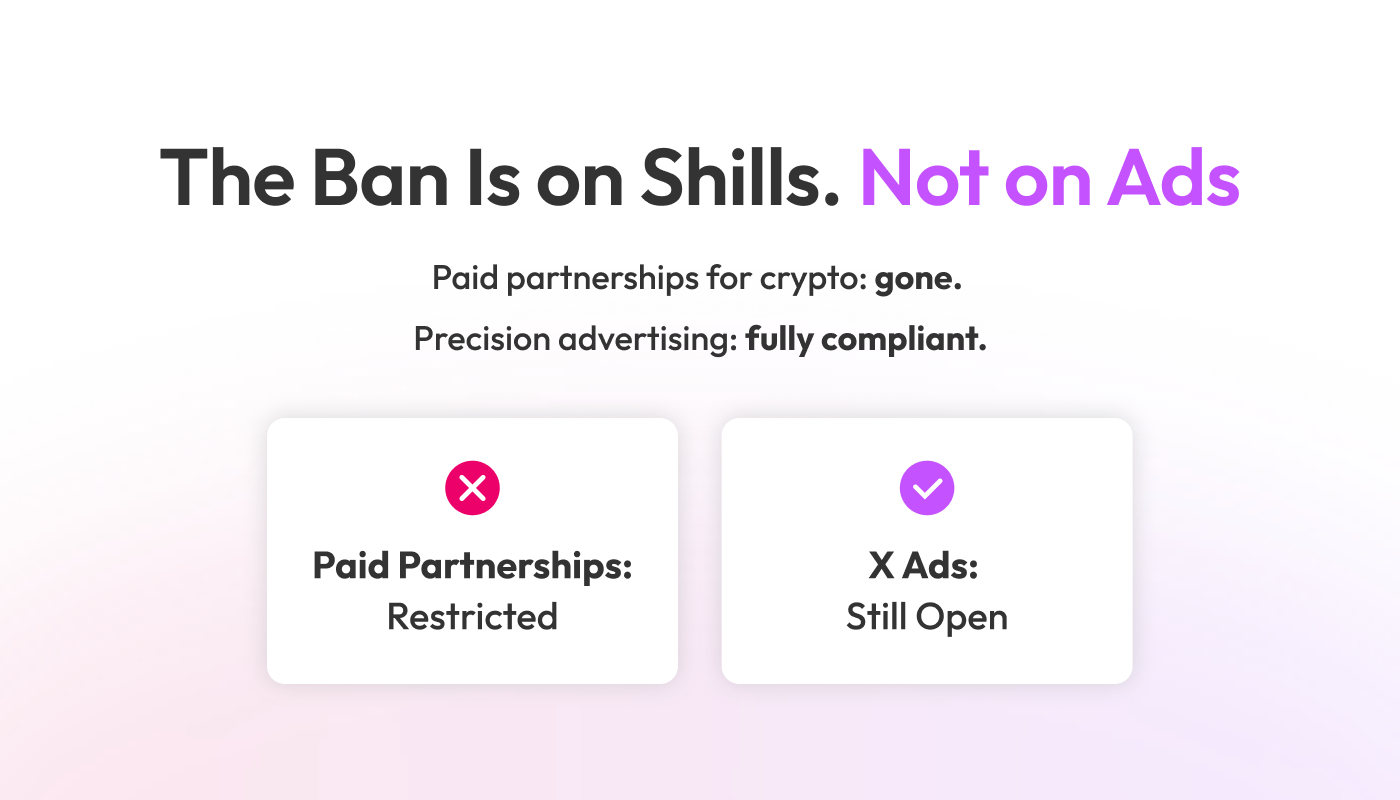
X updated its Paid Partnerships Policy to remove crypto and gambling from eligibility. No more compensated posts. No more sponsored threads. No more "NFA, DYOR" disclaimers from accounts that got wired $30k to say nice things about your token.
The era of the KOL shill, loud, expensive, and largely unaccountable, just got regulated out of existence.
For a lot of Web3 marketing teams, this is a crisis. For the ones paying attention, it is a starting gun.
The Shill Era Was Already Broken

Let's be honest about what KOL marketing actually looked like.
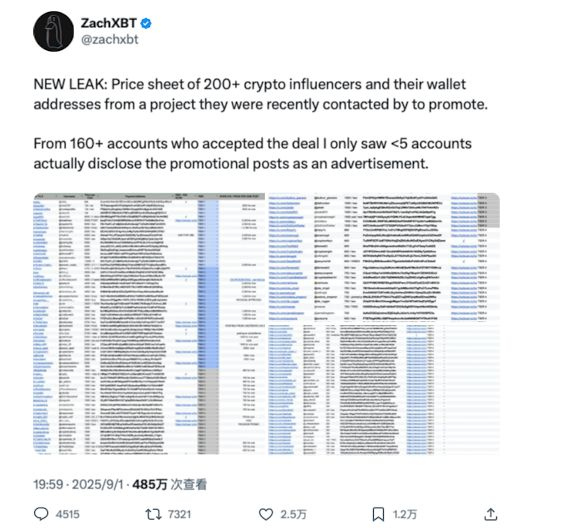
A leaked spreadsheet published by on-chain investigator ZachXBT in early 2025 exposed over 160 influencers who had accepted paid promotions for crypto projects, most without any disclosure whatsoever. Price per post: anywhere from $1,500 to $60,000. Total payments traced: over $1 million. Number of those 160+ accounts that are properly disclosed? Fewer than five.
That is not a marketing channel. That is a liability factory.
And the performance data was just as ugly. ZachXBT found that the top wallets linked to KOL-promoted tokens had an average hold time of 22 seconds. The influencer promoted, the insiders dumped, retail held the bag. Meanwhile, Web3 brands were cutting $25,000 checks per post for the privilege of being associated with that dynamic.
Side stat: During the 2024 Solana meme coin boom, ZachXBT tracked 33 influencer-promoted presales worth $149 million. Within 30 days, 12 of them had been rugged for over $26.7 million in losses.
The numbers never made sense. The compliance never existed. X just made it official.
What the X Ban Actually Means
The policy distinction matters here, and most coverage has missed it.
X has banned crypto from paid partnerships, which is the influencer side of the ecosystem. X Ads, the formal advertising platform, still works fine for eligible crypto advertisers. That gap is not an accident. It is the blueprint.
Platforms are increasingly moving high-risk verticals out of unregulated influencer deals and into controlled advertising environments where compliance can actually be documented. The same pattern happened in Europe, where the Netherlands, Belgium, Poland, and Italy have all banned influencer promotions for gambling entirely.
Crypto is following the same regulatory arc. The question is whether your marketing strategy moves with it, or gets caught standing still.
Side stat: 59% of Q1 2026 is already gone. If you are still trying to replace your KOL pipeline with another KOL pipeline, you are optimizing for a channel that no longer exists.
Growth Engineering Is Not a Buzzword
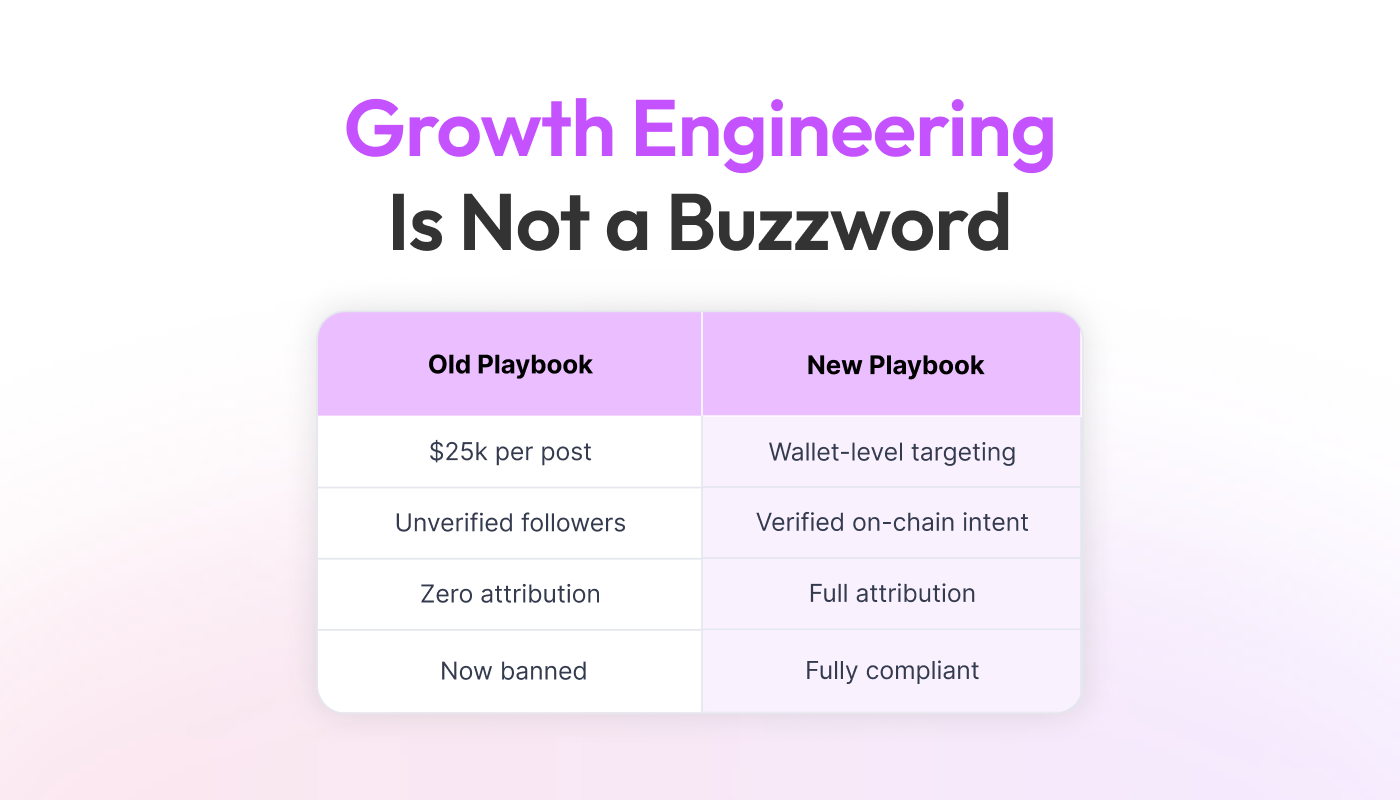
Here is what the replacement actually looks like.
Instead of paying a pseudonymous account to talk about your protocol to an audience of unknown composition, growth engineering means targeting the exact wallets most likely to become your users and reaching them with compliant, measurable paid ads.
The data difference is not marginal. It is structural.
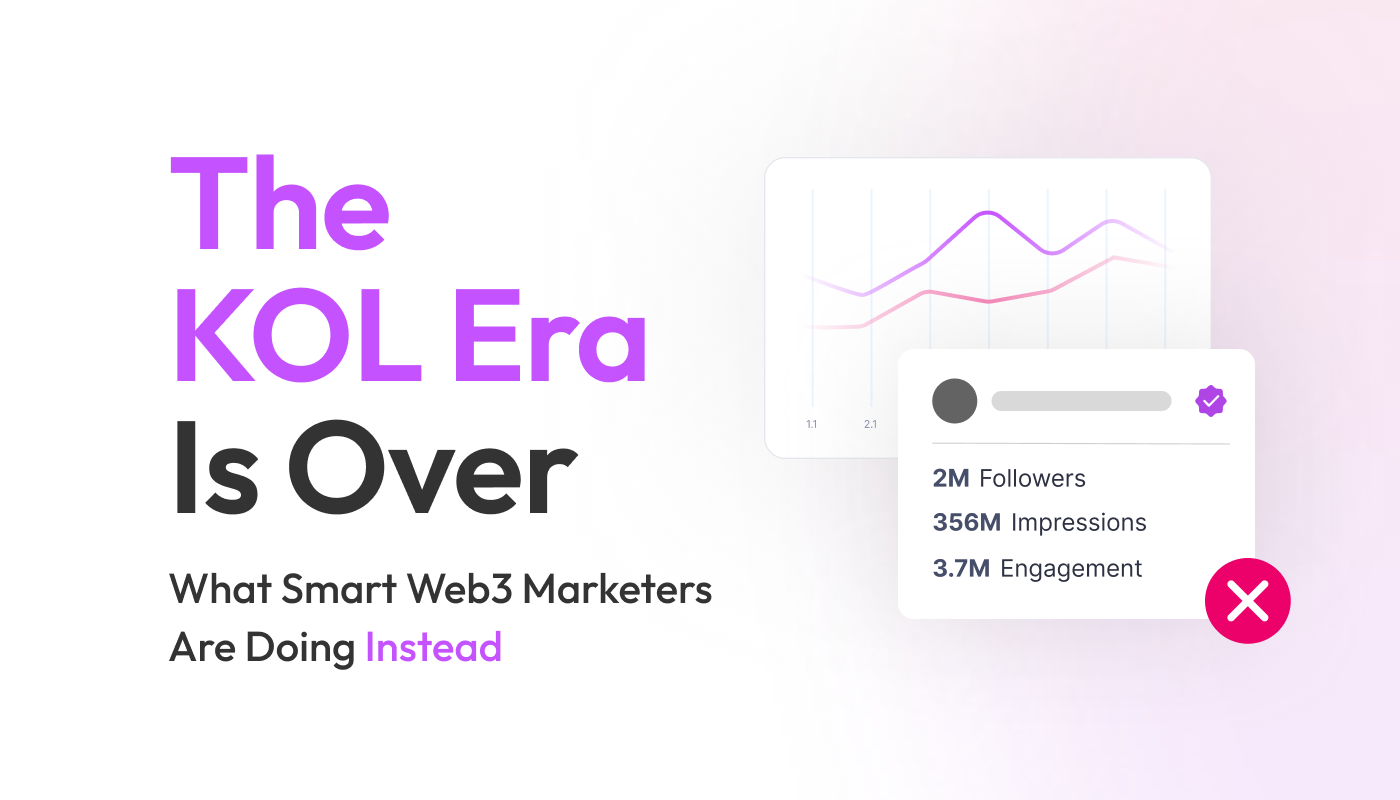
A KOL with 200,000 followers might have 60 to 70% bot or inactive accounts. An audience built from on-chain wallet behavior, people who have bridged to your chain, held a competitor token, or interacted with your contract category, has verified intent baked in by definition.
As Addressable co-founder Asaf Nadler put it directly: "Most KOLs won't write about crypto anymore. Ads are the most promising way to get your message across."
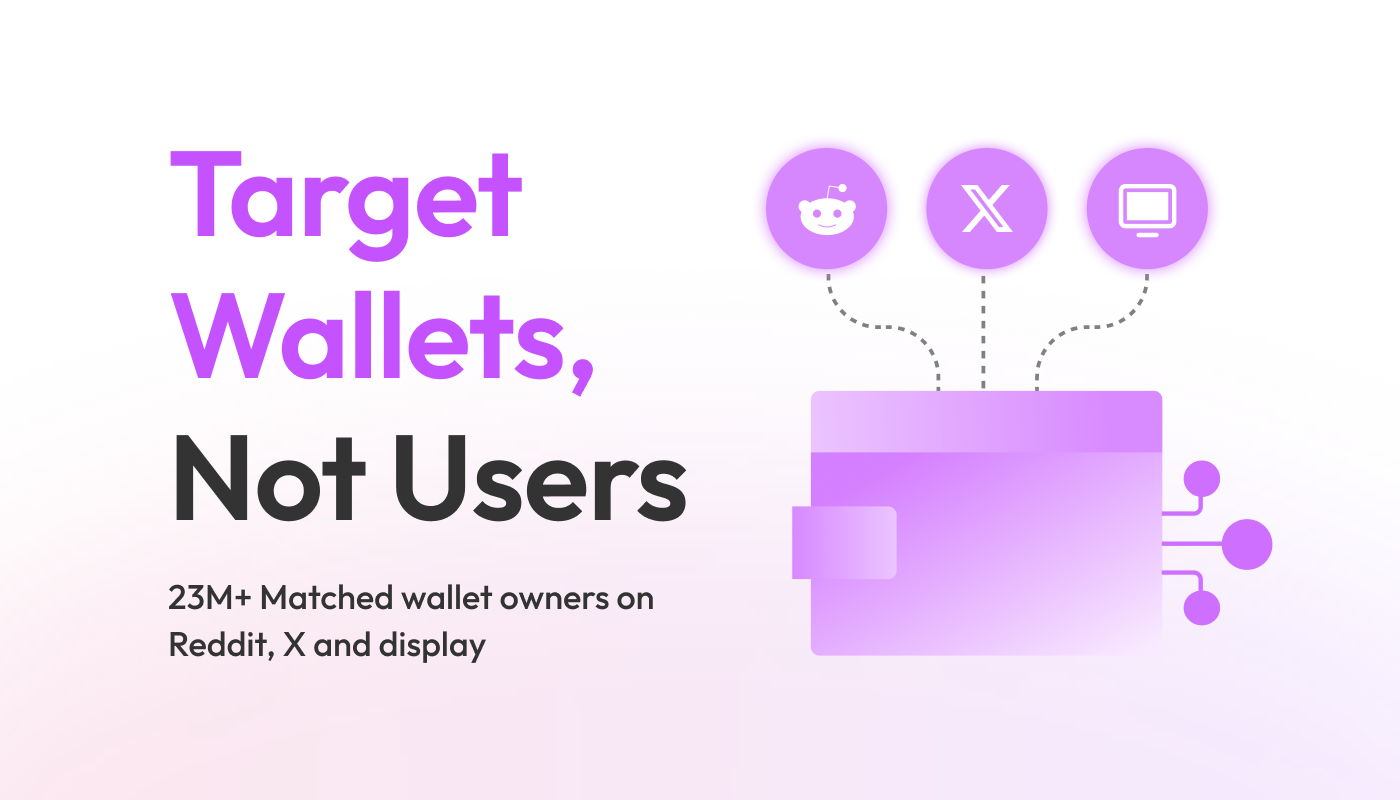
Addressable's platform has mapped over 190 million crypto wallets to 23 million social profiles across Reddit, X, and the open web. That means you can run a campaign targeting users who have specifically moved liquidity from a competing protocol, not because they "like crypto" but because their wallet says so.
Side stat: The global influencer marketing market hit $24 billion in 2024 and is forecast to reach $32.55 billion by end of 2025. Web3 marketing spend is projected to reach $10 billion by 2030. The money is not leaving. It is just moving to channels with actual accountability.
The Numbers Behind Precision
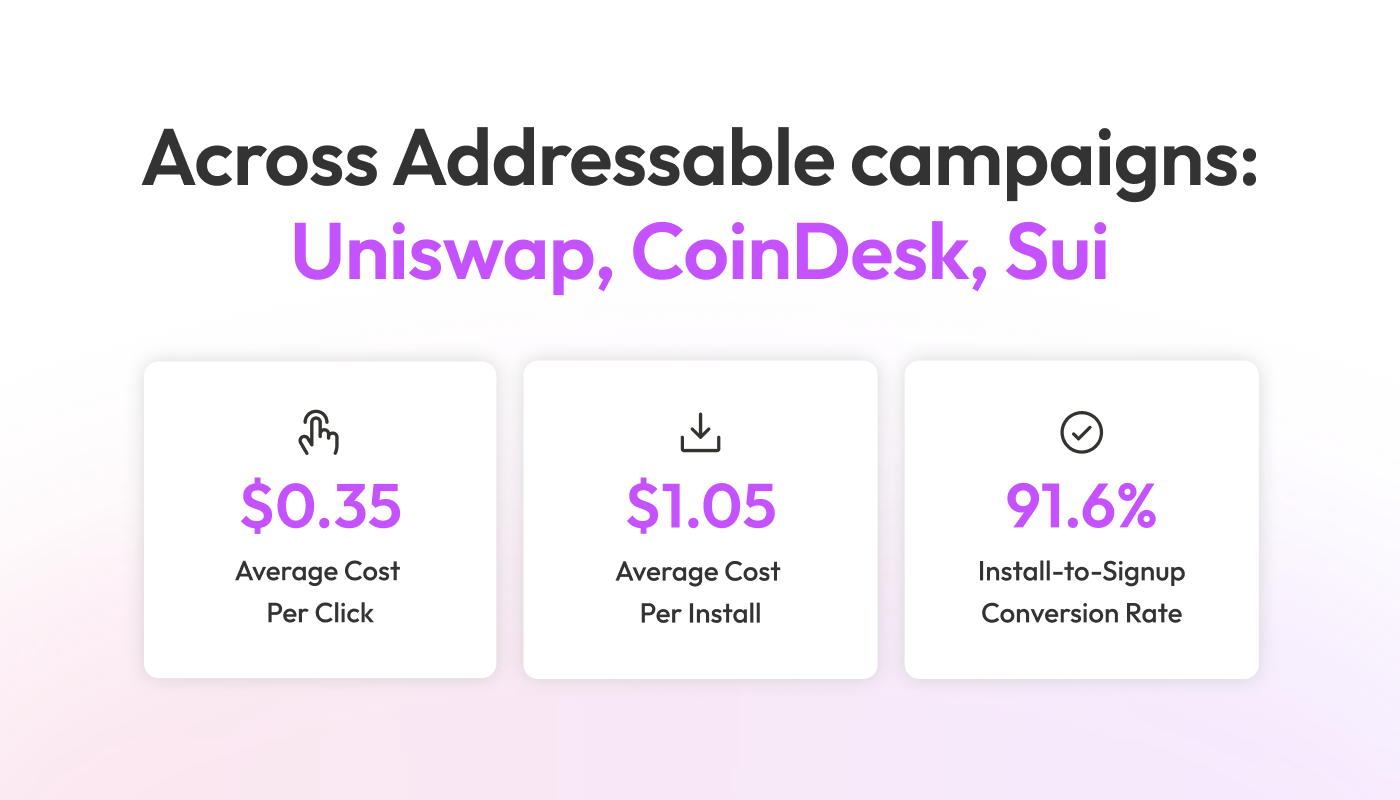
Wallet-based targeting is not just cleaner. It converts better.
Across Addressable campaigns run on Reddit, X, and display, including clients like Uniswap, CoinDesk, and Sui, the average results look like this:
- Cost per click: $0.35
- Cost per install: $1.05
- Install-to-signup conversion rate: 91.6%
For context: a single mid-tier KOL post at $5,000 with 200,000 followers and a 1% engagement rate gives you 2,000 impressions worth of attention and zero attribution. You will never know if a single wallet acted on it.
With precision ads, you know exactly which wallets saw the campaign, which ones converted, and what they did on-chain afterward.
The Compliance Gap Is Now a Competitive Advantage
The brands that treated KOL marketing as a shortcut are now scrambling. The brands that already built infrastructure around paid, compliant, measurable channels are not.
This is how category shifts work in marketing. A channel gets disrupted by regulation, platform policy, or simply declining trust, and the teams with the right infrastructure already in place accelerate while everyone else catches up.
Web3 is at that inflection point right now. The KOL era did not end because the idea of reaching influential communities was wrong. It ended because the execution was opaque, unaccountable, and ultimately unsustainable.
Growth engineering replaces vibes with data, shills with wallets, and guesswork with attribution.
The audience is still there. The methods just changed.

Ready to run your first wallet-targeted campaign? Book a demo with Addressable and see how the brands winning in Q1 are doing it.